Root canal therapy in Bulleen
A toothache or a tooth that has become sensitive to chewing can be more than an inconvenience. It is often a sign that the inside of the tooth needs attention. At Smile Style Dental in Bulleen, root canal therapy is one of the ways our dentists work to treat infection and help you keep a tooth that might otherwise be lost.
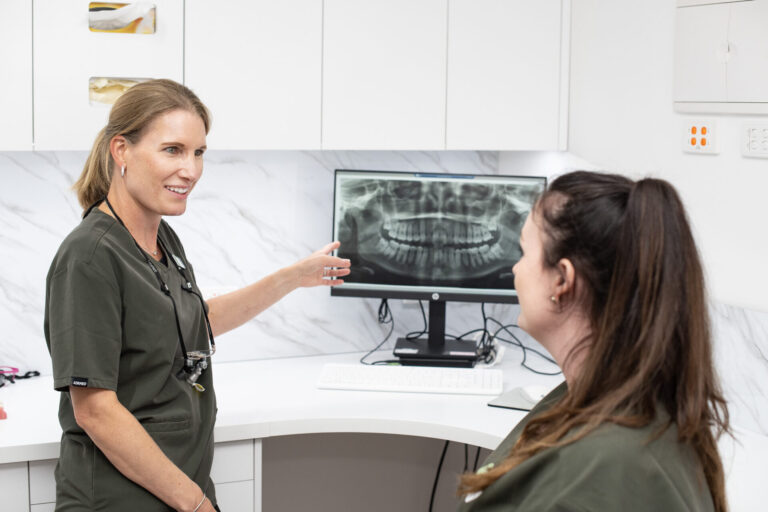
If you are dealing with ongoing tooth pain, it is best to arrange an examination rather than wait. An early assessment allows our Bulleen dentists to work out what is happening inside the tooth and talk you through the treatment choices available to you. Only a clinical examination, usually with an X-ray, can confirm whether root canal therapy is appropriate.
Frequently asked questions
Below are answers to some of the questions we hear most often about our root canal treatment in Bulleen. If there is anything else you would like to know before your visit, simply contact our team - we're always happy to help.
What is root canal therapy?
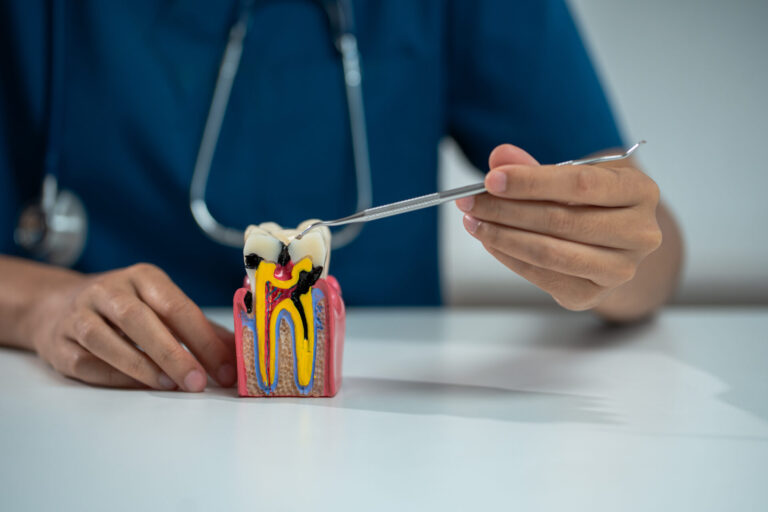
Each tooth contains a soft centre made up of nerve tissue and blood vessels, known as the pulp. When a tooth becomes heavily decayed or cracked, bacteria can find their way inside and reach this nerve. Once the nerve becomes infected, the tooth begins to die, which is why the problem often shows up as a persistent toothache or discomfort when biting down.
In the past, teeth in this condition were usually removed. Root canal therapy or root canal treatment offers an alternative. By removing the infected tissue from inside the tooth and sealing the space where the nerve once sat, the treatment aims to relieve the infection and preserve your natural tooth.
What are the signs I need root canal treatment?
The signs vary from person to person, and only a clinical examination with an X-ray can confirm whether root canal therapy is actually needed. That said, there are some common symptoms that are worth having checked by our Bulleen dentist:
- A lingering or throbbing toothache that does not settle
- Sensitivity to hot or cold that lasts well after the food or drink is gone
- Pain or tenderness when biting or chewing
- Swelling or tenderness in the gum near a particular tooth
- A pimple-like spot on the gum that may come and go
- A tooth that has darkened or changed colour
- A tooth that has been heavily decayed, cracked or knocked
It is also worth knowing that some infected teeth cause very little discomfort, especially once the nerve has died, so an absence of pain does not always mean the tooth is healthy. This is one of the reasons regular check-ups matter, as problems can be picked up before they cause symptoms.
If you notice any of these signs, it is best to arrange an assessment rather than wait, since an infected tooth will not heal on its own.
What happens if I do nothing?
An infected tooth will not heal on its own, because the infection sits inside the tooth where the body's natural defences and antibiotics cannot fully reach it. Without treatment the infection tends to progress rather than settle. Over time this can lead to increasing pain, and in some cases a dental abscess can form, which is a collection of pus at the root of the tooth. The infection can also spread to the surrounding bone and nearby teeth, and the tooth may eventually need to be removed.
If you are in significant pain or notice swelling, this can be a dental emergency. If you are unsure, the safest step is to have the tooth assessed by our Bulleen dentists so you understand your options before the problem progresses.
Is root canal therapy painful?
Root canal therapy is carried out under local anaesthetic, which numbs the tooth and the surrounding area before treatment begins. Because of this, many people find the experience comparable to having a routine filling rather than the ordeal it is sometimes made out to be. It is common to feel some tenderness around the tooth for a few days afterwards as the area settles, and this can usually be managed with over the counter pain relief.
We understand that many patients feel anxious about root canal treatment, and we do not want that worry to stop anyone from getting the care they need. At our Bulleen practice we offer a range of sedation options for nervous and anxious patients, including happy gas (nitrous oxide). If you would like to explore these options, let our team know when you book and we will talk you through what suits your appointment.
How many appointments does root canal treatment take?
This depends on the tooth and how much infection is present. Some cases are completed in a single visit, while others are spread across two or more appointments to allow proper cleaning and healing. Our Bulleen dentists will give you a clearer estimate once we have examined the tooth.
What happens after a root canal treatment?
Because a root treated tooth no longer has a living nerve supplying it, it tends to become more brittle and more prone to fracture over time.
For this reason we generally recommend restoring the tooth with a crown or an onlay, which is designed to strengthen and protect the weakened tooth so you can keep using it with confidence.
Our Bulleen dentist will discuss whether a crown, an onlay or another option suits your particular tooth, and will explain the timing, as the final restoration is sometimes placed a little while after the root canal is completed.
Book your assessment today
For over 20 years, local families have trusted Smile Style Dental with their care. If you are experiencing tooth pain or have been advised that you may need root canal therapy, our Bulleen dentists can assess your tooth and explain your options.
Contact our team today to book your visit!